

Wisdom Teeth Recovery Guide: Timeline, Diet, and Post-Op Care
Having your wisdom teeth removed is a major step toward protecting your overall oral health. At Norwalk Rosecrans Square Dental in Norwalk, CA, Dr. Eun Soo Lee, DDS, wants to ensure your healing process is as smooth, fast, and painless as possible.
Following proper post-operative care is critical to preventing complications like infection or dry socket. Bookmark this page so you have Dr. Lee’s exact recovery instructions at your fingertips. For more information, contact us or book an appointment online. We are conveniently located at 11818 Rosecrans Ave, Ste B Norwalk, CA 90650.
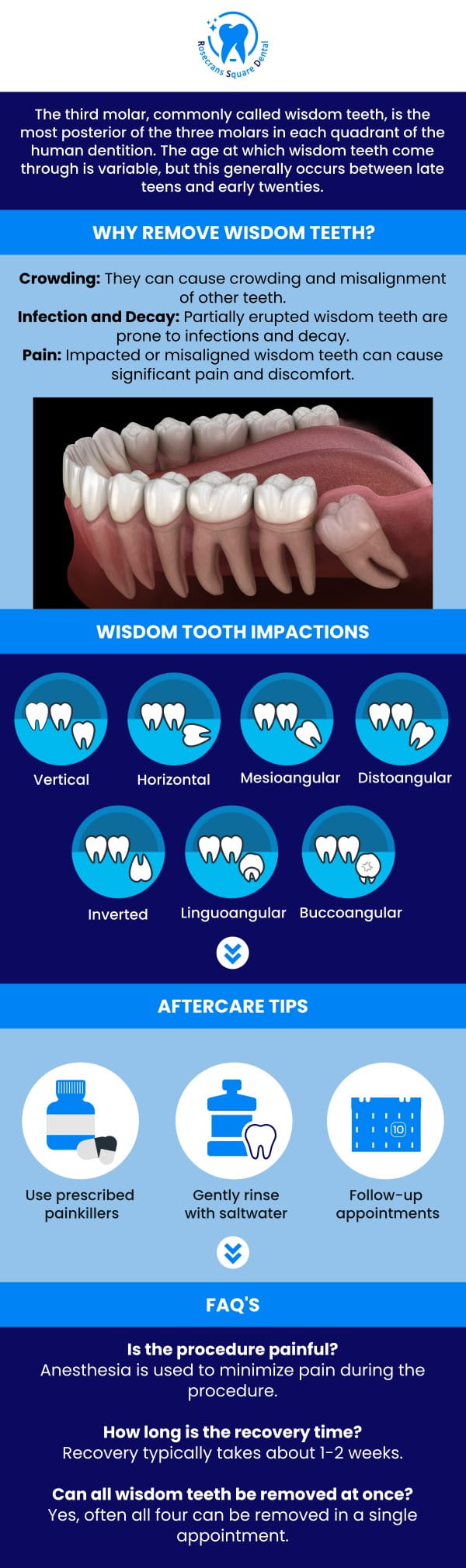
Table of Contents:
Your Day-by-Day Recovery Timeline
What should I expect in the first 24 to 48 hours after wisdom teeth removal?
What to Eat: The “Soft Food” Grocery List
Crucial: How to Prevent “Dry Socket”
When to Call the Dentist
When can I brush my teeth again?
How long will the numbness last?
Do I need a follow-up appointment?
Need Help With Your Recovery?
Healing times vary from person to person, but here is a standard timeline of what to expect after a wisdom tooth extraction:
The First 24 Hours: Protecting the Blood Clot
The first day is all about controlling bleeding and allowing a blood clot to form in the empty tooth socket. This clot is essential for healing.
• Bleeding: Bite down firmly but gently on the gauze pads placed by our team for at least 45 to 60 minutes after surgery. If bleeding continues, replace the gauze. A little oozing is normal.
• Swelling: Apply an ice pack to the outside of your cheek for 20 minutes on, then 20 minutes off, to keep swelling down.
Rest: Keep your head elevated with extra pillows and avoid any physical exertion.
Days 2 to 3: Managing Swelling
• Peak Swelling: It is completely normal for swelling in your cheeks and jaw to peak on the second or third day.
• Oral Hygiene: Do not brush the surgical site directly, but you can begin gently rinsing your mouth with warm salt water (1/2 teaspoon of salt in a cup of warm water) 2-3 times a day, especially after eating. Let the water fall out of your mouth into the sink—do not spit forcefully.
Days 4 to 7: Returning to Normal
• Stitches: If Dr. Lee used dissolvable stitches, they will typically begin to fall out on their own during this time.
• Activity: You can slowly resume normal daily activities, but continue to avoid heavy lifting or rigorous cardio exercises.
• Diet: You can slowly introduce semi-solid foods back into your diet as your comfort allows.
As the local anesthesia wears off, you will experience some soreness. We recommend staying ahead of the pain:
• Prescription Medications: If Dr. Lee prescribed pain medication or antibiotics, take them exactly as directed. Finish the entire course of antibiotics.
Over-the-Counter Relief: For mild to moderate pain, alternating between ibuprofen and acetaminophen every few hours is often highly effective. Always follow Dr. Lee’s specific dosing instructions.
Eating the right foods will keep you nourished without irritating the surgical site. Stock up on these items before your surgery:
Safe Foods to Eat:
• Applesauce and mashed bananas
• Yogurt and cottage cheese
• Smoothies and protein shakes (Eat with a spoon, not a straw!)
• Mashed potatoes and scrambled eggs
• Lukewarm broths and blended soups
Foods to Strictly Avoid:
• Spicy or acidic foods: These will sting the open sockets.
• Crunchy or hard foods: Chips, nuts, and popcorn can shatter into sharp pieces and damage the healing tissue.
• Small seeds or grains: Sesame seeds, rice, and quinoa can easily get trapped inside the extraction site and cause an infection.
Dry socket (Alveolar Osteitis) is a painful condition that occurs if the protective blood clot in the socket is dislodged before the wound heals, exposing the underlying bone and nerves.
To prevent dry socket for the first 72 hours, you MUST avoid:
• Using a drinking straw: The suction will pull the blood clot right out.
• Smoking or vaping: The inhaling action creates suction, and the chemicals slow down healing.
• Forceful spitting or swishing: Let liquids passively fall out of your mouth.
• Carbonated beverages: The bubbles can disrupt the clot.
Some swelling and discomfort are normal, but please contact Dr. Eun Soo Lee, DDS, at our Norwalk office immediately if you experience any of the following “red flag” symptoms:
• Excessive or heavy bleeding that won’t stop with gauze pressure
• A fever of 100.4°F or higher
• Pain that worsens after day 3 or does not respond to medication
• Pus or a foul taste/odor coming from the extraction site
• Difficulty swallowing or breathing
When can I brush my teeth again?
You can brush your teeth the night of your surgery, but you must completely avoid brushing the surgical sites for the first few days. Keep your mouth clean by gently rinsing with warm salt water starting 24 hours after surgery.
The local anesthesia typically wears off within 2 to 6 hours. Be careful not to bite your tongue, lips, or inner cheeks while your mouth is still numb.
Depending on the complexity of your extraction, Dr. Lee may schedule a quick follow-up visit about a week after your surgery to ensure everything is healing properly and to remove any non-dissolvable stitches.
If you are a patient in the Norwalk, CA area experiencing severe pain or complications after a tooth extraction, don’t wait.
Call RCSQ Dental immediately for assistance, and we are conveniently located at 11818 Rosecrans Ave, Ste B Norwalk, CA 90650.

Additional Services You May Need


 Send Text
 How May I Help You?